
NASCAR, short for the National Association for Stock Car Auto Racing, is often oversimplified by those outside the motorsport world as “just a bunch of left turns.” But behind the roar of the engines, the cheering fans, and the flashing pit boards lies an incredibly complex and dynamic world of physics, engineering, testing, human performance, and razor-sharp strategy. Each race is a high-speed chess match played at 200 mph, and winning takes far more than just raw speed.
This blog (and potential eBook) breaks down the intricate workings of NASCAR: from the strategic decisions made before and during the race, to the rigorous vehicle testing and validation that happens behind the scenes with partners like A&D Technology.
1. The Science of Speed: It’s More Than Just Going Fast
NASCAR races are not just about pushing the throttle. Every element from tire grip, fuel consumption, and aerodynamics to weather and communication affects the outcome of a race. These variables interact constantly and must be managed in real-time.
Tire Wear and Grip
Tires are one of the most critical components in racing. As the rubber wears down, grip is reduced, affecting cornering and acceleration. Crew chiefs must calculate when tires need to be changed, balancing grip with pit stop time and race position.
Fuel Usage
Fuel mileage is closely monitored during every lap. Strategic pit stops are planned around fuel windows. Sometimes, a team may gamble on stretching fuel to avoid a late pit stop—a decision that can make or break a race.
Drafting
Drafting is when a car tucks behind another to reduce aerodynamic drag. Teammates often work together in a draft train to catch up to the leaders or maintain position. But it also raises engine temps, making it a balancing act.
Aerodynamics
The shape of the car’s body influences airflow and downforce. At high-speed tracks, reducing drag is essential. At short tracks or road courses, generating more downforce (for better grip) takes precedence.
2. Track Diversity and Race Packages
No two NASCAR tracks are the same. From the 2.66-mile superspeedway of Talladega to the half-mile bullring of Bristol, each layout presents unique challenges.
Track Types:
- Superspeedways (e.g., Daytona, Talladega): High speeds, emphasis on drafting.
- Intermediate tracks (e.g., Charlotte): Balance between speed and handling.
- Short tracks (e.g., Martinsville): Focus on braking and corner exit.
- Road courses (e.g., Watkins Glen): Left and right turns, gear changes, braking zones.
Race Packages
NASCAR assigns specific aero and engine configurations (“race packages”) based on track type. These affect horsepower, spoiler size, and aerodynamic drag to encourage close racing and passing.
3. Strategy Before and During the Race
Pit Strategy
Teams analyze tire fall-off, fuel windows, track position, and yellow flag predictions to decide when to pit. A well-timed pit stop can leapfrog a driver into the lead.
Pre- and Post-Race Inspections
Every car must pass strict inspections before and after a race. Officials check body dimensions, engine specifications, and compliance with safety rules. Minor infractions can lead to disqualification or lost points.
Team Dynamics and Spotters
Drivers rely on teammates for drafting and track info. Spotters stationed high above the track feed the driver information about car positions, gaps, and accidents. The best drivers build strong chemistry with their crew chiefs and spotters.
4. The Human Machine: Pit Crews and Drivers
What Makes a Great Pit Crew?
A full pit stop can take under 10 seconds. Each crew member has a specialized role:
- Tire changers: Remove and replace lug nuts.
- Tire carriers: Bring new tires to the car.
- Jackman: Lifts the car quickly.
- Fueler: Refuels the car with a gas can.
Precision, speed, and coordination are essential. Pit crews practice daily like athletes.
Drivers and G-Forces
During a race, drivers endure intense G-forces in corners and under braking. Reaction time, focus, and physical endurance are crucial. A driver must process sensory overload while communicating with the team and adjusting strategy in real time.
5. Environmental Variables
Track temperature, wind, and even cloud cover affect grip and engine performance. Teams use real-time telemetry to adjust tire pressures, wing angles, and cooling systems to suit changing conditions.
6. Qualifying: Earning Your Starting Spot
Qualifying determines the starting lineup. Depending on the format, drivers may run solo timed laps or multiple-round knockout sessions. A good qualifying position gives track position and clean air, both critical for early race control.
7. Testing and Development: The Role of Dynamometers and A&D Technology
Before race day, teams spend thousands of hours in development. One of the most important tools in their arsenal is the dynamometer (dyno). Dynos simulate race conditions in a controlled environment, measuring engine output, powertrain response, and more.
A&D Technology’s Role in NASCAR
A&D Technology partners with racing teams to provide:
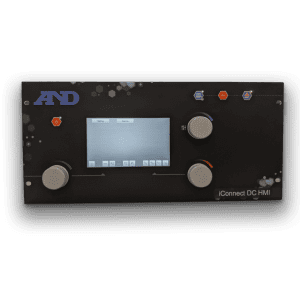
- High-speed data acquisition and control systems
- Engine and chassis dynamometers
- Simulation tools for drivetrain, battery, and hybrid systems
- Custom software like iTest and LabWorX for automation and test control
These tools help teams fine-tune their engines and drivetrains, validate performance data, and ensure reliability before hitting the track.
Our systems are built for precision and adaptability—from combustion engine testing to next-gen hybrid applications. That means faster, safer, and more consistent results for racing teams that need every millisecond to count.
8. The Bigger Picture: What Makes NASCAR So Compelling?
Beyond the engineering, strategy, and speed, NASCAR is a sport rooted in innovation and community. Teams constantly seek marginal gains through better testing, better data, and better execution. At A&D Technology, we’re proud to be part of that journey.
From the garage to the grid, NASCAR is a high-tech proving ground for technologies that often find their way into the vehicles we drive every day.
NASCAR Glossary
- Aero Push: When the front of a car loses grip due to turbulent air from a car in front.
- Banking: The slope of the track corners. Steeper banking allows higher cornering speeds.
- Camber: The tilt of the tires. Affects grip in corners.
- Downforce: The downward pressure that helps tires grip the track.
- Green-White-Checkered: NASCAR’s overtime finish—one lap of green, one of white (final lap), then the checkered.
- Loose: When the rear tires lose grip and the car oversteers.
- Tight: When the front tires lose grip and the car understeers.
- Stage Racing: NASCAR races are divided into segments where points are awarded.
- Free Pass / Lucky Dog: Rule allowing the first car a lap down to regain a lap during a caution.
- Telemetry: Live data from the car sent to the team for monitoring performance.
Final Thoughts
NASCAR may look like a blur of speed and noise to the untrained eye, but every lap is the culmination of countless hours of planning, testing, teamwork, and innovation. With companies like A&D Technology behind the scenes, racing teams are equipped with the tools and insights to push boundaries and chase checkered flags.
Because in NASCAR, every thousandth of a second matters—and that pursuit of perfection is anything but simple.